
How to Write an RFP for Custom Software Development That Gets Useful Proposals
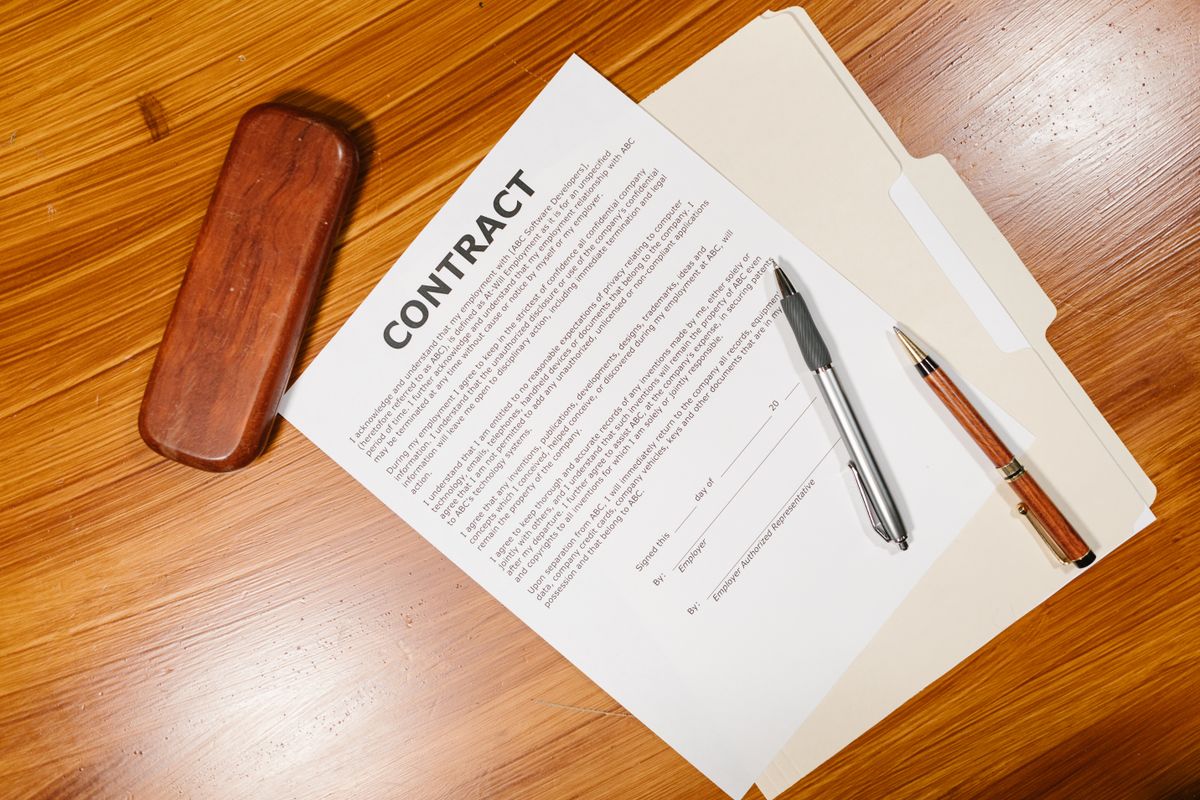
Most software RFPs fail in one of two directions. Some are so vague that vendors guess at scope and return prices that cannot be compared. Others are so prescriptive that they read like a finished specification, leaving no room for the vendor's expertise and quietly signaling that the buyer has already decided how to build the thing. A good RFP sits between those poles: it describes your situation and goals precisely, and leaves the solution open for vendors to propose. This article covers what to include, what to leave out, and how to structure the process so the proposals you get back are actually comparable.
Start with the problem, not the product
The most useful section of any RFP is a clear description of the current situation: what your organization does, what process or system is involved, what is not working, and what happens because of it. "Our sales team tracks renewals in spreadsheets and we lost visibility into three renewals last quarter" tells a vendor more than a feature list ever will. Describe the outcome you need, the constraints you already know about, and who will use the result. Resist the urge to write the feature list for them. When buyers prescribe solutions inside the RFP, vendors price exactly that solution, and you lose the chance to hear a better approach you had not considered.
Include the context vendors need to price honestly
Vendors price risk as much as they price work, and unknowns are risk. The more of these you answer in the RFP, the tighter and more comparable the proposals:
Timeline expectations. State your target dates and, just as important, whether they are hard constraints or preferences. A vendor told the deadline is fixed plans staffing differently from one told it is aspirational.
Budget range. If your organization allows sharing it, say so. Buyers often hide the budget hoping for a lower price; in practice it produces proposals scattered across an unusable range, and the good vendors spend your evaluation time on projects that were never going to fit.
Systems to integrate with. Name them, including their age and whether APIs exist. Integration with a modern documented system and integration with a fifteen-year-old internal tool are different amounts of work, and hiding the second kind only delays the repricing.
Your side of the table. Who on your team will be involved, specifically: a product owner with decision authority, how much of their time is genuinely committed, and who handles acceptance. Vendors know that an absentee product owner is one of the most reliable ways a project goes slow, and they price that risk when they smell it.
Non-negotiables. Data residency, security requirements, technology mandates, compliance obligations. Anything that is a hard requirement belongs in the RFP, not in a surprise email after the proposals arrive.
An honest paragraph about internal capacity matters more than buyers expect. A vendor who knows you have no in-house developer will propose differently, and more usefully, than one who assumes you do.
Scope boundaries: as important as scope
Alongside what you want, state clearly what you do not want in this project. If data migration from the old system is excluded, say so. If the mobile app is a later phase, say so. Exclusions prevent two failure modes: vendors padding their price with work you never asked for, and vendors assuming something was included that you meant to handle internally. The scope boundary section is usually half a page and saves weeks of later argument.
Structure the questions so answers can be compared
Open-ended questions produce open-ended marketing. Ask specific, bounded questions that every vendor answers in the same shape: their proposed approach at a high level, the team composition and the seniority of the people actually assigned, a phased plan with what each phase delivers, how they handle scope changes, and how they would handle the two or three risks you are most worried about, stated explicitly in the RFP. Ask for one or two references from projects of similar shape, not just similar industry.
It is also fair to ask how the vendor would challenge your plan. A question like "what in this RFP would you push back on, and why" separates vendors who think from vendors who transpose.
Keep the document short
An RFP that takes a day to read selects for vendors with spare proposal writers, not vendors with good engineers. Five to ten pages is usually enough for a mid-sized custom project: problem and context, scope boundaries (what is in and explicitly what is out), the constraints above, the questions, and the logistics of the process. If you have a detailed specification or wireframes, reference them as attachments rather than embedding them.
What to leave out
Leave out internal politics, tentative ideas you are not committed to, and long histories of past vendor relationships. None of these help a vendor price the work, and all of them add noise. Also leave out invented precision: a feature list written by someone who will not build the software tends to be wrong in ways that only surface during the build, and then both sides argue about a document neither should have trusted.
Run the process deliberately
Send the RFP to a shortlist of three to five vendors, not fifteen. More than that and you will not have the attention to evaluate properly. Give vendors a window for written questions and share all questions and answers with every participant, so no vendor prices different information than another. Set a realistic deadline; a proposal demanded in three days tells vendors the evaluation will be superficial too. Then hold structured conversations with the two or three strongest: the proposal gets you to a shortlist, but the conversation is where you learn how the team thinks and whether working with them will be tolerable for a year.
Evaluate the proposal behind the proposal
Price and timeline matter, but read for the signals underneath. Did the vendor ask questions before answering, or did they price on assumptions they never surfaced? Do they name who will do the work, or only who will sell it? Did they identify risks you did not mention, which suggests genuine experience, or did they accept every premise uncritically? A proposal that challenges something in your RFP is usually worth more than one that flatters it. And compare the shape of plans, not just the totals: a vendor proposing a small paid discovery phase before committing to a build is often the one being most honest with you, not the one trying to sell less work.
Final thoughts
A good RFP is not a formality; it is the first test of how you and a vendor will work together, and both sides learn from it. Describe your problem precisely, share the context that lets vendors price honestly, ask questions whose answers can be lined up side by side, and judge the thinking behind the document as much as the numbers in it. At F2C Labs, we discuss requirements, clarify scope, and quote per project; as always, invite several vendors to respond and compare how they engage with your questions, not just what they quote.

Founder & CEO
Software engineer specializing in AI-integrated product development on Google Cloud Platform (GCP). Leads overall product lifecycle from distributed backend architecture to production deployments, accelerating business go-to-market.